
Ancient Tunnels in South America Were Not Built by Humans

Hidden beneath quiet stretches of South America, massive underground tunnels have been puzzling researchers for years. At first glance, their size feels surprising, since a person can walk through them without crouching. That detail naturally leads to questions about who could have made them. From there, the smooth walls and repeated curves invite a closer look. What scientists found next begins to shift long-held assumptions about ancient activity beneath the ground.
Underground Tunnels That Defy Human Construction

Vast underground tunnels across South America raise questions the moment people see their scale. A person can walk through them upright, so curiosity builds fast. From there, the smooth walls and consistent curves suggest steady excavation rather than chance. Those details lead researchers to look beyond human activity. As attention shifts, the tunnels begin to feel more like traces of strength and repetition, shaped over time by something far larger than early people.
Where Giant Palaeoburrows Appear Across South America

Giant palaeoburrows show up most often in parts of Brazil, Argentina, and Uruguay, so the pattern feels hard to ignore. From there, their placement starts to matter just as much as their size. Many sit in areas once covered by grasslands and forests, and that detail keeps pointing away from ancient settlements. As locations line up with past ecosystems, the tunnels begin to feel tied to animal movement rather than human planning.
Rock Carvings That Rule Out Natural Erosion

The tunnel walls tell their own story once you look closely. Smooth grooves run along the rock, and those marks repeat with steady spacing. From there, curved scratches suggest consistent movement instead of random erosion. Water usually leaves uneven surfaces, so these patterns feel different. As the markings continue deeper inside, the walls keep the same shape, which points toward long-term scraping rather than natural wear.
Geological Dating That Predates Human Settlement

Dating work around the tunnels adds another layer to the story. Rock layers lining the walls formed tens of thousands of years ago, so the timeline starts well before sustained human presence in those regions. From there, the gap becomes hard to ignore. Early people arrived much later, and tools from that period never appeared nearby. As the dates line up, the builders start to look unmistakably nonhuman.
Footprints Preserved Inside Tunnel Floors
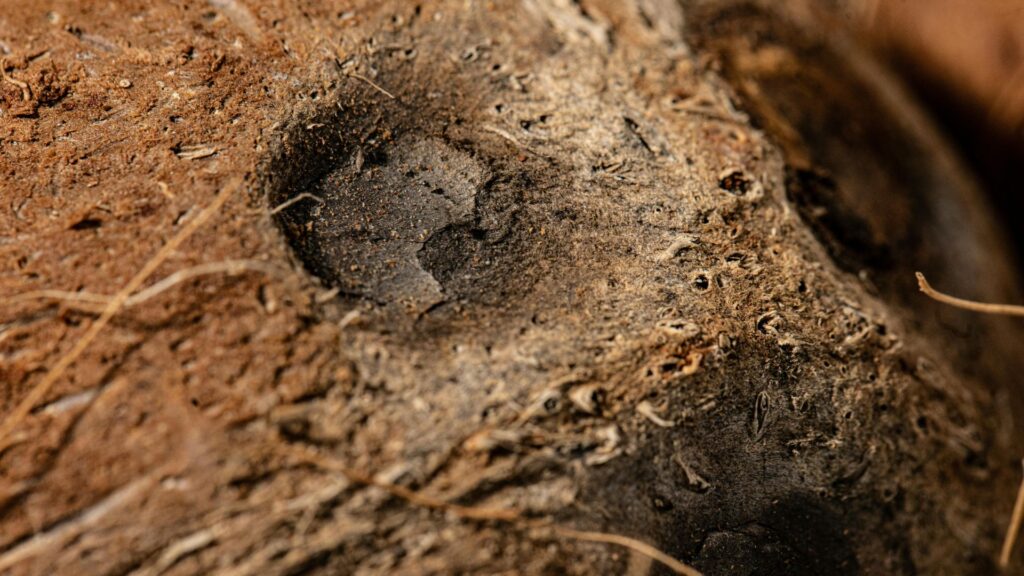
Footprints pressed into the tunnel floors shift attention from walls to movement. Each impression shows wide spacing and deep pressure, so the maker carried serious weight. From there, claw marks appear alongside the tracks, and those curves feel deliberate. The prints lack any human overlap, which keeps pointing in one direction. As the trail continues deeper underground, the evidence reads like a record of repeated animal passage.
Ground Sloth Anatomy Matched to Tunnel Marks

Skeletal reconstructions of giant ground sloths line up closely with what appears inside the tunnels. Their massive forelimbs and long, curved claws match the width and shape of the wall marks. From there, the spacing of scratches reflects slow, steady movement. That physical match feels hard to ignore. As anatomy and tunnel features keep aligning, the burrows start to read like extensions of the animals themselves
Reasons Giant Sloths Dug Extensive Burrows

Life underground likely offered giant sloths steady shelter, so the effort made sense over time. Stable temperatures would have eased daily energy demands, and deeper passages could stay dry during seasonal floods. From there, protection from predators becomes part of the picture. Slow-moving animals needed safe places to retreat, and repeated scraping along the walls suggests regular use. Over generations, those habits could turn simple refuges into sprawling burrow networks.
What Palaeoburrows Reveal About Ancient Ecosystems

Palaeoburrows show how large animals actively shaped their surroundings over long periods. As tunnels cut through soil and rock, water movement and sediment patterns likely shifted with them. From there, smaller animals could use those spaces for shelter, so underground life expanded quietly. Those traces focus attention on behavior preserved in marks and paths, and they help paint a clearer picture of ecosystems that functioned with megafauna at the center.
See Friendly Wildlife With New Eyes

Friendly behavior in wild animals often comes from curiosity, social bonds, and trust built over time, so noticing it can change how people see nature. From there, respect becomes part of the experience because calm observation keeps everyone safe. That awareness encourages learning before interaction, which means reading behavior instead of assuming intent. At that point, appreciation grows without crossing lines, and the animals stay wild, healthy, and comfortable in their own space.
PetsFanatic Team
Pet Care Expert & Content Creator
Passionate about sharing knowledge and tips for better pet care. Writing about everything from pet health to training techniques.