
Ancient Species Hiding in California Lake Reveals Evolutionary Secrets from 650 Million Years Ago

California’s Mono Lake holds more than striking scenery. Beneath its salty waters lives a tiny survivor that traces back hundreds of millions of years. Scientists call it a “living fossil” because it links modern life to ancient origins. The creature has outlasted mass extinctions, climate shifts, and the rise of countless species. Its survival sheds light on how life began and adapted on Earth. Researchers now study it closely, hoping to understand its remarkable endurance.
Discovery of an Ancient Single-Celled Organism
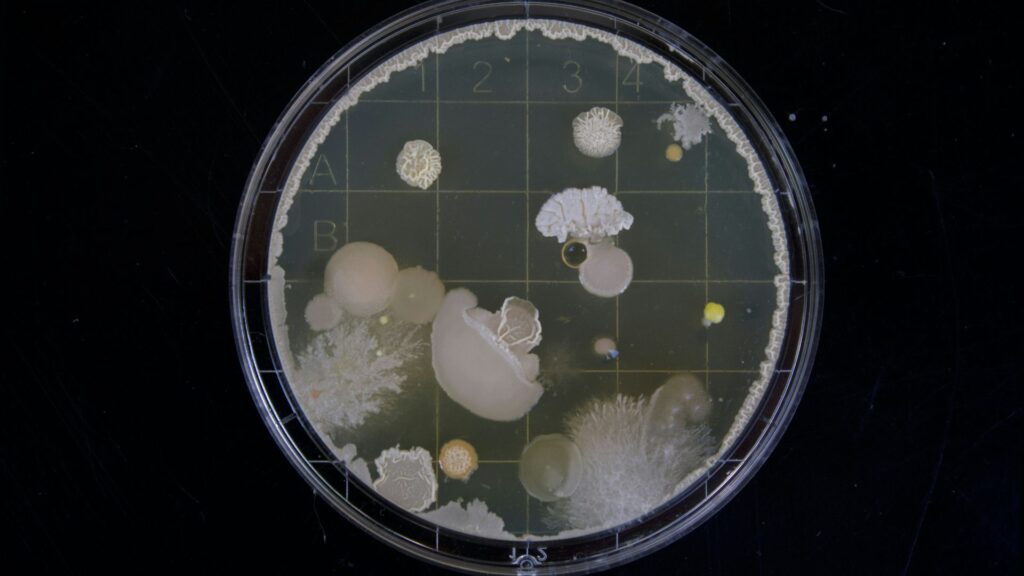
Scientists studying Mono Lake didn’t expect to find a creature with ties to life’s earliest days. Yet inside the lake’s salty waters lives a single-celled organism that traces its history back 650 million years. The microbe has kept its ancient features, making it a living clue for researchers. It’s so rare to see something that old still around, and it gives scientists a chance to piece together how early life on Earth managed to survive.
Choanoflagellate and Its Evolutionary Role

The tiny choanoflagellate found in Mono Lake might not look like much, yet it’s one of the closest living relatives to animals. Scientists see it as a bridge between single-celled life and the rise of more complex organisms. So when they study its structure and behavior, they also get a glimpse into how the earliest building blocks of animals came together. It’s fascinating that such a small organism carries so much evolutionary history within it.
Mono Lake’s Unique Environment

Mono Lake sits in eastern California and has a chemistry that feels otherworldly. Its waters are three times saltier than the ocean, so only a few lifeforms manage to thrive there. That extreme setting makes it a natural laboratory for scientists, since it just so happens to mirror conditions from Earth’s distant past. The lake also supports brine shrimp and migratory birds, adding more layers to why researchers find it such an intriguing spot to study.
Formation of Multicellular Colonies

Choanoflagellates can live as single cells and can form colonies made of many cells. Researchers study those colonies because they give a glimpse of how early life may have shifted toward greater complexity. The process shows how simple organisms created structures that worked together in new ways. It’s an area of study that helps scientists piece together how early cooperation among cells influenced the rise of multicellular organisms on Earth.
Symbiotic Relationship with Bacteria

Choanoflagellates don’t live in isolation. They interact with bacteria in ways that shape how they grow and form colonies. Scientists noticed that certain bacteria send signals that trigger the organisms to group, which is just so interesting when thinking about early life. It shows that cooperation between microbes and other organisms isn’t new. That connection also gives researchers a chance to see how simple partnerships may have influenced the path toward more complex forms of life.
Insights into Origins of Animal Life

Studying choanoflagellates gives scientists a direct link to how animals first emerged on Earth. These microbes share features with the earliest ancestors of animals, so they act like living windows into that distant time. Researchers can just watch how they build colonies, respond to bacteria, and shift between stages. Those details help piece together how single cells gradually formed more complex bodies. It feels like holding onto one of nature’s oldest clues about where animals came from.
Evolutionary Significance of Microbiomes

Microbiomes shaped the path of early evolution in ways scientists are still uncovering. Choanoflagellates just happen to show how microbes influence growth, colony formation, and survival. Bacteria around them send signals that guide behavior, so researchers see a direct link between microbes and the rise of complex organisms. It’s also a reminder that life didn’t evolve in isolation. Partnerships between tiny organisms helped lay the groundwork for animals, and studying them today keeps adding new layers of insight.
Research Led by UC Berkeley

A team from UC Berkeley has been leading the effort to study choanoflagellates in Mono Lake. They’re looking at how these microbes interact with bacteria and form colonies, so the work just keeps opening new questions about early evolution. The research also connects modern science with some of the oldest biological processes on Earth. It’s a project that blends fieldwork at the lake with lab studies, giving scientists a deeper look into life’s ancient beginnings.
Why Ancient Microbes Still Matter Today

Mono Lake’s tiny residents remind us that life’s story stretches back farther than we can imagine. Choanoflagellates carry traces of the past yet still thrive in the present. Scientists keep turning to them because they offer living clues about how animals began. So the next time you think about evolution, remember that some of its earliest chapters are still being written in a California lake, waiting for us to keep learning from them.
PetsFanatic Team
Pet Care Expert & Content Creator
Passionate about sharing knowledge and tips for better pet care. Writing about everything from pet health to training techniques.