
A 5,000-Year-Old Frozen Man Still Had Food in His Stomach

In 1991, two hikers crossing a glacial pass in the Alps encountered what appeared to be the body of a recently deceased mountaineer. The location, more than 10,000 feet above sea level near the Austrian and Italian border, seemed an unlikely resting place, yet nothing initially suggested the find was ancient.
The truth soon transformed a routine recovery into one of the most significant archaeological discoveries of the twentieth century. The body, naturally preserved in ice for over five millennia, belonged to a man from the Copper Age. He would become known as Otzi the Iceman, and his remains opened an extraordinary portal into prehistoric Europe.
Encased in ice alongside tools and garments, his body was protected from decay with remarkable precision. The glacier had functioned as a natural archive, safeguarding not only human tissue but also traces of daily life from a distant era.
Tracing the Life of a Copper Age Traveler
Scientific analysis revealed that Otzi lived around 3300 BCE, during a transitional period between the Stone and Bronze Ages. He stood about 5 feet 3 inches tall and was likely in his mid forties, an age considered advanced for that time. Evidence from his teeth and bones suggests he spent his early years near what is now northern Italy before moving through alpine regions later in life.
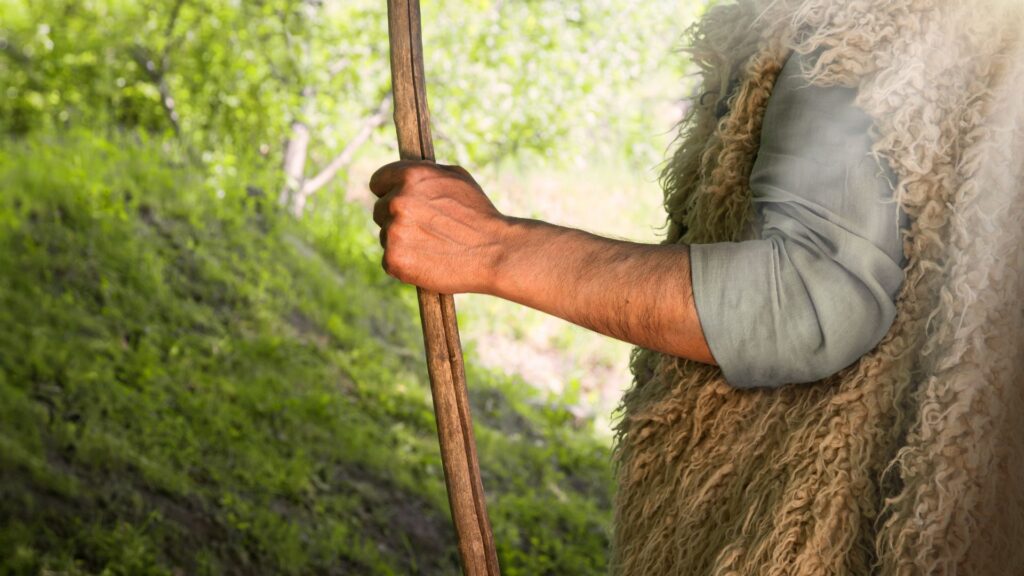
His physical condition reflects a demanding existence. Examinations identified signs of joint wear and skeletal strain, consistent with repeated long distance travel across mountainous terrain. This pattern has led researchers to believe he may have worked as a shepherd or guide, accustomed to steep paths and harsh climates.
One of the most revealing discoveries lay within his digestive tract. Researchers identified remnants of ibex meat, einkorn wheat bread, and herbs, indicating that he had eaten shortly before his death. The preserved meal offers rare insight into nutrition, agriculture, and food preparation practices more than 5,000 years ago.
Tools, Clothing, and the Meaning of Craftsmanship

Among Otzi’s possessions was a copper axe, a rare and valuable object at the time. The blade, almost pure copper, likely originated from southern Tuscany, suggesting established trade networks and technical expertise. Its careful casting and polishing reveal a society already capable of advanced metallurgy.
He also carried a flint knife, a longbow, unfinished arrows, and small implements such as scrapers and awls. These objects illustrate a life shaped by self reliance. The incomplete state of some equipment raises compelling questions about whether he had been preparing for a hunt or was interrupted by sudden conflict.
His clothing demonstrates both ingenuity and adaptation. A cloak woven from grass, a bearskin cap, and garments made from stitched animal hides formed a practical wardrobe suited to alpine conditions. His footwear, insulated with plant fibers and designed to resist moisture, reflects thoughtful engineering for cold and rugged terrain.
Violence in the Ice and a Legacy That Endures

For years, scholars assumed exposure to the elements caused his death. Later forensic studies challenged that view. An arrowhead lodged in his left shoulder indicates a fatal wound, and cuts on his hands suggest close combat. Blunt trauma to the head may have delivered the final blow.
Traces of blood from multiple individuals found on his belongings imply that he may have been involved in a violent encounter shortly before collapsing. The position of his body suggests he attempted to remove the arrow before succumbing to his injuries.
Today, Otzi remains more than an archaeological curiosity. Through advanced imaging and reconstruction, researchers have recreated his features, revealing a weathered face shaped by endurance. His preserved body continues to inform studies of diet, medicine, trade, and social structure in prehistoric Europe. In the silence of alpine ice, a single life has illuminated an entire chapter of human history.
PetsFanatic Team
Pet Care Expert & Content Creator
Passionate about sharing knowledge and tips for better pet care. Writing about everything from pet health to training techniques.