
39,000-Year-Old Mammoth Provides Oldest Known RNA

A young mammoth named Yuka has stirred fresh excitement after scientists pulled RNA from its frozen muscle. The animal rested in Siberian ice for about 39,000 years, yet its tissue still held clear traces of gene activity. Researchers pieced together those molecules and gained a closer look at the moments around its death. The find shows how cold conditions can preserve tiny clues that sit deep inside ancient bodies.
Oldest Known RNA Pulled From Yuka

Scientists pulled RNA from Yuka, a young mammoth found in Siberian ice, and the find pushed research into new territory. The frozen muscle tissue still held clear gene signals, so the team managed to sequence molecules once thought to fade fast. The sample came from Yuka’s front leg and sat in permafrost for about 39,000 years. Researchers treated it as a rare chance to observe activity inside the animal’s cells near the end of its life.
Frozen Muscle Tissue Reveals Gene Activity

Mammoths have a way of pulling people in, even after thousands of years. Their size, their presence, and their frozen remains keep researchers busy, so new questions show up every time another find surfaces. Science circles keep turning back to these ancient giants because each discovery hints at stories waiting inside the ice without revealing too much at the start.
Siberian Permafrost Preservation Conditions

Cold ground in Siberia can slow decay enough to keep delicate material in place, so researchers pay close attention to sites held in deep frost. The permafrost stayed steady for thousands of years and created conditions that protected tissue from damage. Yuka stayed in that frozen layer, and the low temperatures helped keep tiny molecules intact. Scientists see value in frozen regions because they often hold remains that stay stable long after an animal’s death.
RNA Findings Compared With Ancient DNA and Proteins

Researchers often compare RNA with ancient DNA and proteins, so the new data from Yuka gave them another point of reference. DNA carries long-term genetic instructions, and proteins support cell activity, and both have been found in older samples. RNA feels different since it shows gene activity closer to the animal’s final moments. The team treated the set of molecules as another layer that helped them understand how the tissue functioned when the mammoth was alive.
Gene Signals Linked to Stress in Yuka’s Cells

Researchers found RNA that pointed to stress inside Yuka’s muscle cells, and the signals stood out once the sequencing finished. Some molecules connected to muscle contraction showed activity, so the team looked closer at how the tissue reacted near the end of the mammoth’s life. Cuts on the hide suggested an encounter with a cave lion, but the marks didn’t explain everything. The gene signals helped frame what the animal’s cells experienced in those final moments.
Trauma Evidence From a Cave Lion Attack

Researchers noted deep cuts on Yuka’s hide, and the pattern lined up with an attack from a cave lion. The predator lived in cold regions and had a heavier build than today’s lions, so the marks made sense for that species. The wounds looked fresh enough to study, and the team used them to understand what the young mammoth faced before death. The injuries didn’t explain the final cause, but they added context to Yuka’s last moments.
New Age Estimate for Previously Known RNA Limits

Researchers updated the age limit for ancient RNA after studying the mammoth sample, and the shift surprised many in the field. The oldest RNA came from a wolf cub at about 14,000 years old, but Yuka pushed that number far higher. The frozen tissue held molecules that stayed intact for nearly 39,000 years, and the result showed how cold conditions can extend RNA survival. Scientists now see broader possibilities for future work with older remains.
Future Possibilities for Ancient RNA Research

Researchers see new opportunities with ancient RNA, and the mammoth study pushed that conversation forward. The team noted that older remains from many periods could also hold preserved molecules, so more projects may follow. Medieval samples and historical material might offer the same chance to study gene activity, and scientists sounded eager to test that idea. Each preserved fragment can give them another window into how long extinct or still living species functioned in earlier times.
What Comes Next for Curious Readers
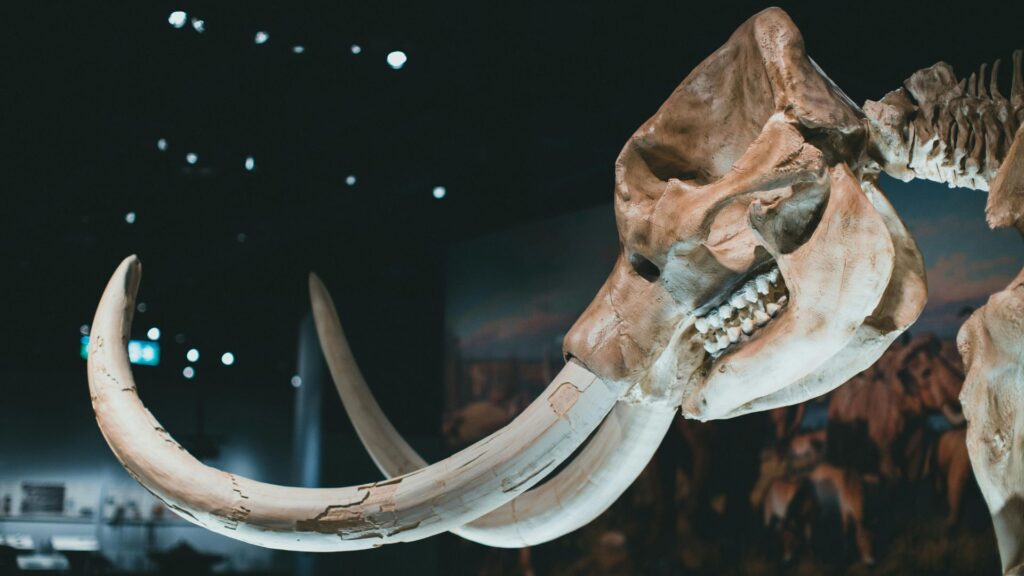
Yuka’s RNA opened a door that scientists didn’t expect to step through so soon, so readers can watch for new studies that follow this path. More frozen samples could offer fresh clues about life long ago, and teams already sound ready to keep digging into that idea. Ancient material keeps surprising researchers, and each project adds another piece to a story that still feels wide open and full of questions worth chasing.
PetsFanatic Team
Pet Care Expert & Content Creator
Passionate about sharing knowledge and tips for better pet care. Writing about everything from pet health to training techniques.