
30,000 Animals Rescued From Traffickers in a Daring Month-Long Global Rescue Mission
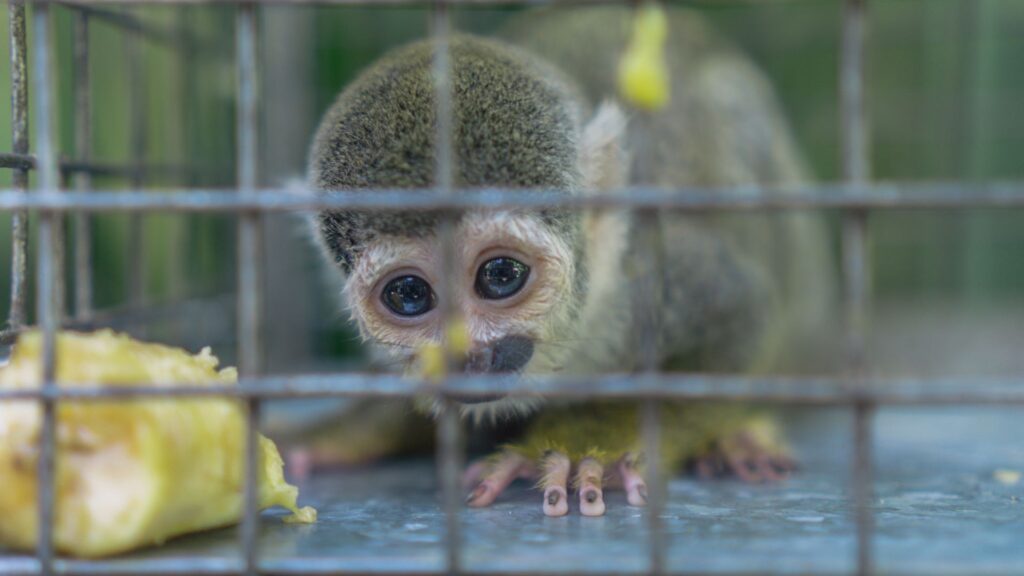
News about wildlife crime often feels distant until numbers start to feel personal and stories move closer to home. Over a single month, coordinated teams worked quietly across borders, ports, and remote roads. That effort unfolded through Operation Thunder 2025 as authorities tracked shipments, intercepted traffickers, and reached cages before they disappeared. As details surfaced, the scale came into focus, with nearly 30,000 animals surviving encounters that usually end very differently.
Operation Thunder 2025 Across 134 Countries

Authorities coordinated quietly across 134 countries during a tightly planned month of enforcement, so the effort moved fast without drawing attention. Interpol worked alongside the World Customs Organization, and that partnership kept borders, ports, and airports aligned. As teams shared intelligence in real time, seizures followed across continents. From September into October, officers tracked shipments as they moved, and that steady coordination allowed thousands of animals to reach safety instead of slipping through unnoticed.
Exotic Pet Demand Behind Live Animal Smuggling

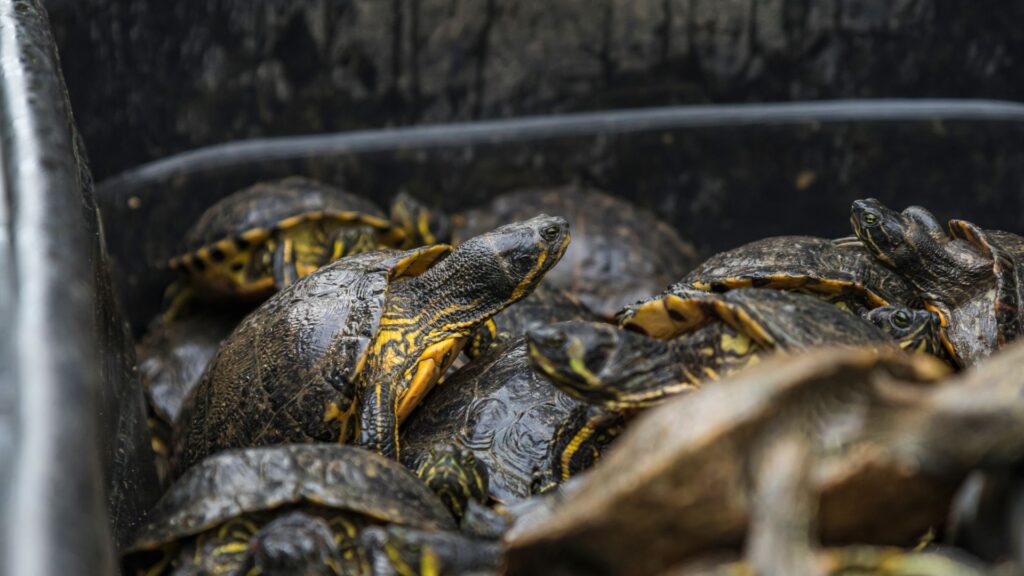
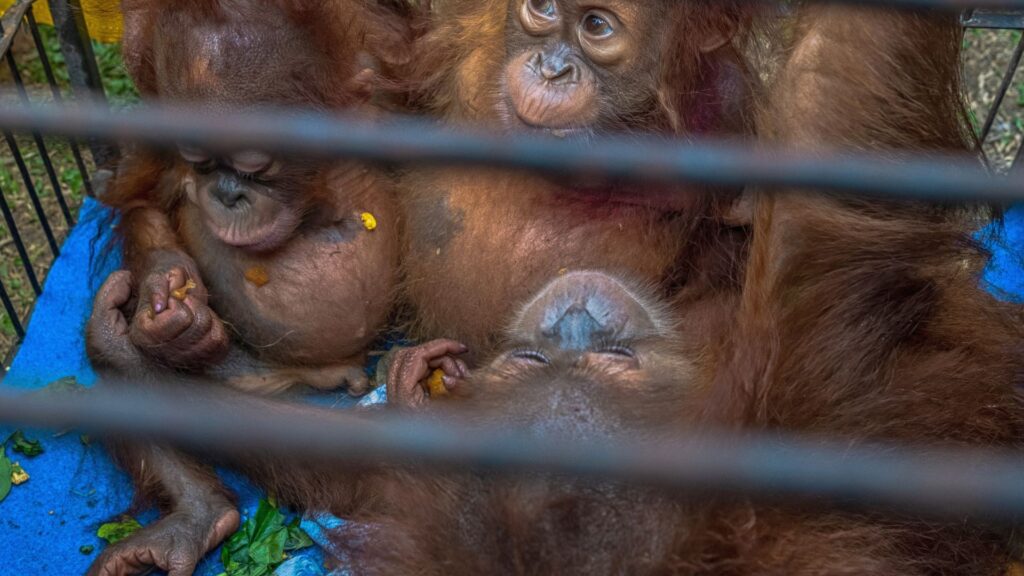
Demand for exotic pets keeps many trafficking routes active, so smugglers focus on animals that attract quick buyers. Birds, reptiles, primates, and rare insects move through hidden markets, and that demand shapes what authorities intercept. In Indonesia, officers recovered thousands of birds, and similar seizures followed in Brazil and elsewhere. As shipments crossed borders, enforcement teams traced those paths and stepped in before animals vanished into private collections.
Seizures Reveal Scale of Animal Parts Trade

Investigators saw another side of trafficking as seizures shifted from live animals to parts already in circulation, so the scope widened quickly. Officers intercepted items like shark fins, elephant hair, and primate remains as shipments moved through familiar routes. Those finds connected to markets tied to medicine, décor, and luxury goods, and that steady flow explained why enforcement teams kept uncovering new caches across borders.
Wildlife Trafficking Tied to Organized Crime Networks

Links between wildlife trafficking and organized crime became clearer as investigators followed money and movement patterns, so the picture kept expanding. Networks moving animals often shared routes with drug shipments and labor exploitation schemes, and that overlap showed up during coordinated raids. As officers compared notes across borders, familiar names and methods resurfaced, and those connections helped explain how illegal trade keeps scaling through the same criminal pipelines.
Customs Agencies Driving Cross-Border Enforcement
Customs agencies stayed at the center of the operation, so inspections started before shipments reached buyers. Officers watched ports, airports, and border crossings, and that steady presence slowed traffickers down. As information moved between countries, patterns became easier to spot. That exchange helped teams flag suspicious cargo faster, and it also meant seizures happened earlier in transit rather than after goods slipped deeper into circulation.
Bushmeat Smuggling Routes Into Europe
Bushmeat trafficking surfaced more clearly as enforcement teams tracked shipments moving toward Europe, so attention shifted to food supply routes. Belgian officers intercepted primate meat, and similar seizures followed in Kenya and Tanzania. As those cases lined up, a wider pattern emerged around giraffe, zebra, and antelope meat moving across borders. That flow showed how wildlife trade extends beyond pets and into everyday consumption channels.
Surge in Marine Species and Insect Trafficking

Marine trafficking stood out as seizures shifted toward oceans and coastlines, so enforcement teams widened their focus. Officers confiscated large volumes of protected marine species, and shark fins appeared repeatedly in intercepted cargo. As those cases stacked up, attention also moved to insects and arthropods moving through niche markets. Thousands of butterflies, spiders, and beetles surfaced during inspections, showing how trafficking reaches far beyond larger animals.
Illegal Plant and Timber Trade Expands Globally

Plant and timber seizures grew alongside animal cases, so officers widened inspections beyond wildlife shipments. Teams intercepted live plants and derivatives moving through commercial routes, and timber followed close behind. As logs and lumber crossed borders, illegal harvesting surfaced at scale. Authorities tracked tens of thousands of cubic meters of wood, and that flow reflected how environmental crime often travels through ordinary trade channels right alongside legal goods.
What This Global Rescue Push Can Still Change

Stories like these don’t stop at rescues, so attention naturally turns to what comes next. From shared intelligence to faster border checks, momentum carries forward because agencies now see clearer patterns. Because of that, future shipments face tighter scrutiny and earlier intervention. From there, rescued animals get a chance at recovery instead of resale. Which means readers also have a place here, by staying informed, supporting conservation groups, and recognizing how everyday awareness helps slow illegal trade routes worldwide.
PetsFanatic Team
Pet Care Expert & Content Creator
Passionate about sharing knowledge and tips for better pet care. Writing about everything from pet health to training techniques.